
Luxor
the heart of ancient Egypt.
Ancient Thebes was Egypt's capital at the height of its power. Its temples and royal tombs make Luxor the place most travellers rate as the best of the trip.
What it is
really like.
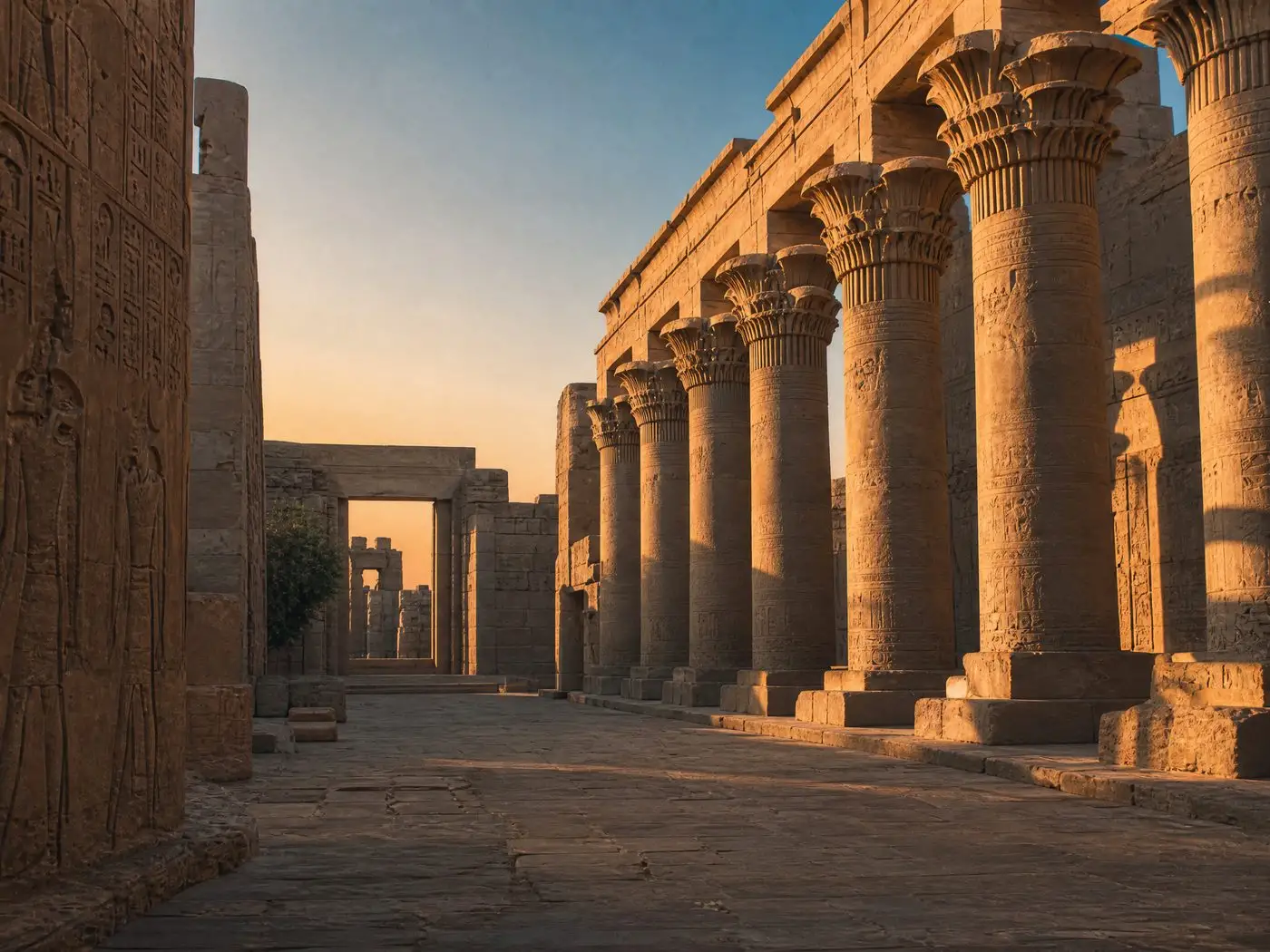
Luxor is a small city of around half a million people on the site of ancient Thebes. For about 500 years, during the New Kingdom, this was where pharaohs built their greatest temples and were buried. What survives is extraordinary, and much of it is within half an hour of the town.
The Nile divides the city. On the east bank, where the sun rises, are the temples of the living: Karnak, the largest religious complex ever built, and Luxor Temple, linked to it by the restored Avenue of Sphinxes. On the west bank, towards the sunset, are the monuments of the dead: the Valley of the Kings, the Valley of the Queens, the temple of Hatshepsut and the tombs of the nobles.
Luxor is also where most Nile cruises begin or end, and the starting point for the drive to the Red Sea at Hurghada or Marsa Alam.
Seeing it well
Give each bank its own morning. The tombs and temples are at their best, and least crowded, in the first hours after opening. In the afternoon, rest. Karnak and Luxor Temple are both beautiful in the late afternoon and evening light.
The best of
Luxor.
The places we build days around. Not a list to tick off: most people choose three or four and leave time between them.
Karnak
Two thousand years of building in one complex, including the Great Hypostyle Hall with its 134 giant columns.
Luxor Temple and the Avenue of Sphinxes
Best seen at dusk, when the lights come on, with the sphinx-lined avenue running towards Karnak.
The Valley of the Kings
Royal tombs cut into the hillside, with painted walls that still look fresh. A standard ticket covers three tombs; Tutankhamun and Seti I are extra.
The temple of Hatshepsut
The terraced temple of Egypt's best-known female pharaoh, built against the cliffs of Deir el-Bahari.
A balloon at sunrise
Float over the west bank as the sun comes up over the Nile. Flights are early and weather dependent.
Medinet Habu and the tombs of the nobles
Quieter west-bank sites with some of the best-preserved colour and everyday scenes of ancient life.
Luxor,
answered.
How many days do we need in Luxor?
Two full days: one for each bank. A third lets you add the quieter sites, the balloon flight and Dendera or Abydos.
Is the balloon flight worth it?
Most people think so. It is early, and the flight lasts about 40 to 45 minutes, but the view over the west bank at sunrise is unlike anything else on the trip.
Can we visit Tutankhamun's tomb?
Yes, with an additional ticket. The tomb is small, but his mummy is still inside, which is not true of most royal mummies.
Hotel or cruise ship in Luxor?
Both work. On a cruise you sleep on board while moored in Luxor. If you are not cruising, we choose a hotel on the east bank or a quieter one on the west bank.
Ways to fit Luxor
into a trip.
Egypt Essentials
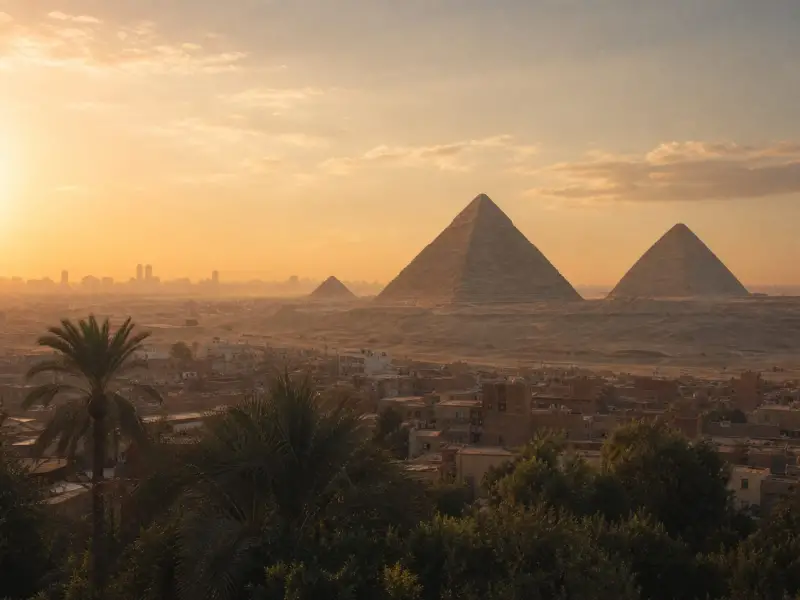
Six days for a first visit: Giza and the Grand Egyptian Museum, old Cairo, then two full days in Luxor on both banks of the Nile.
See this journey →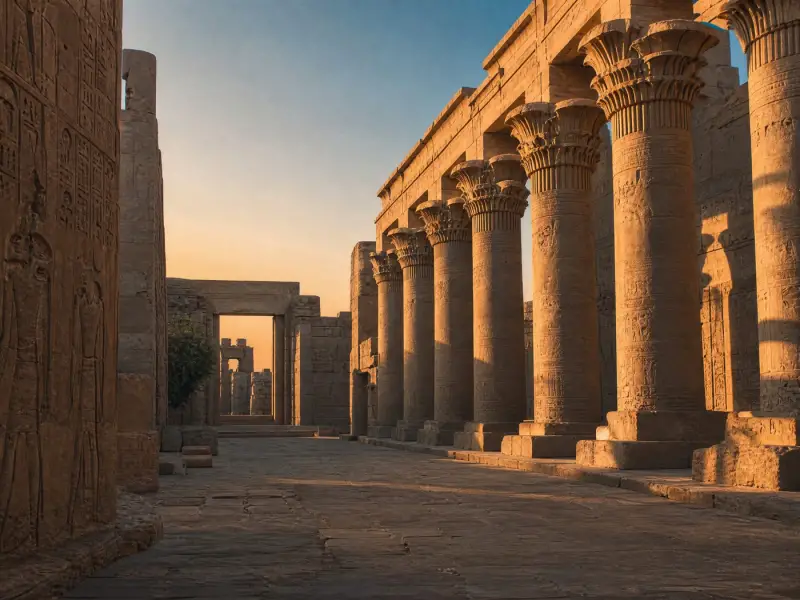
Egypt, In Depth
Three full days in Cairo, Aswan and Abu Simbel, a four-night Nile cruise to Luxor, then two days on the Red Sea.
See this journey →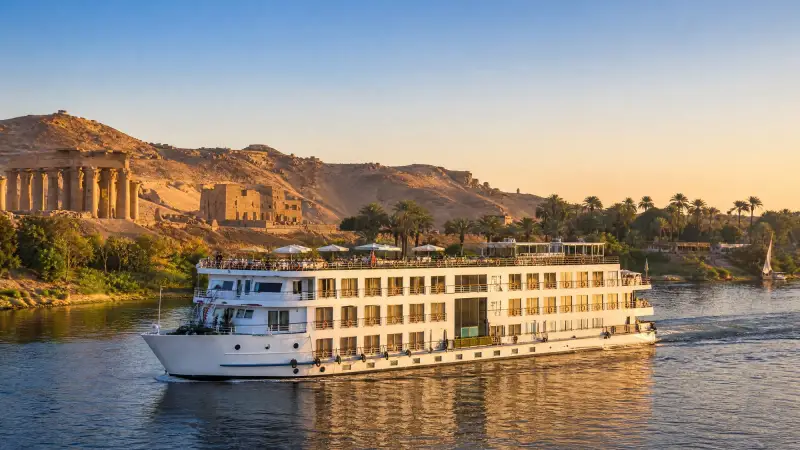
Nile, Slowly
Two nights in Aswan, four on the river past Kom Ombo and Edfu, and Luxor at the end. For travellers who want the Nile itself to be the holiday.
See this journey →Tell us how long
you have.
Send your dates and who is travelling. We will suggest how many nights Luxor deserves and what fits around it.