
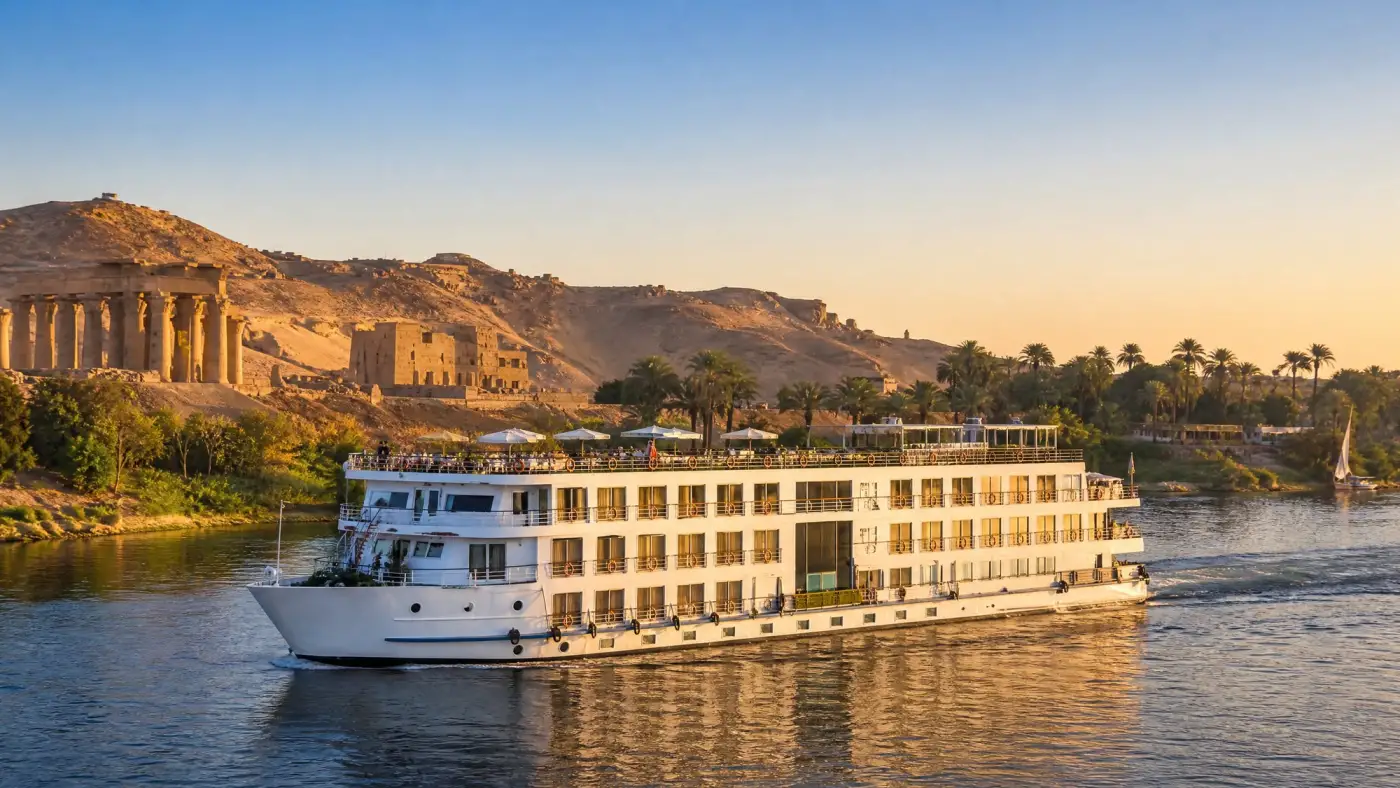
Nile, Slowly
Aswan to Luxor, at the river's pace.
Two nights in Aswan, four on the Nile and a final day in Luxor. More time on the water than any other route we plan.
How the days
usually unfold.
This route can use a larger cruise ship or a dahabiya, a traditional sailing boat with a handful of cabins. Both follow the same stretch of river.
Arrive in Aswan
Arrive in Aswan, usually via Cairo, and transfer to your hotel. The first wide view of the Nile and the granite islands is the welcome.
Aswan's river edge
Philae temple in the morning. In the afternoon, a felucca around Elephantine and Kitchener's Island, and dinner in a Nubian village.
Board and begin the river
Board your boat and spend the afternoon on deck as the landscape opens out.
Kom Ombo
The double temple at Kom Ombo, then back to the river for the evening light.
Edfu
The temple of Horus at Edfu, the most complete temple in Egypt, and a free afternoon on board.
Esna and the last river night
The temple of Khnum at Esna, recently cleaned to show its original colours, then the lock and the final evening on the water.
Luxor
Leave the boat in Luxor and check into a hotel. The Valley of the Kings and Hatshepsut's temple in the morning; Karnak at the end of the day.
Depart or stay on
Transfer to Luxor airport, or add Cairo, Abu Simbel, a balloon flight or the Red Sea.
Let the river
set the days.
A standard Nile cruise is three or four nights packed between temple visits. This route keeps the temples but puts the river first. You get two nights in Aswan before boarding, four nights on the water, and the boat moves at a pace that leaves real time on deck.
You can do it on a large cruise ship, which has a pool, a restaurant and plenty of company. Or you can do it on a dahabiya, a two-masted sailing boat with somewhere between six and twelve cabins. Dahabiyas moor at small islands and village landings where big ships cannot stop. They cost more and book up early, so tell us as soon as you know your dates.
The trip ends in Luxor rather than starting there, which is deliberate: after a week of river life, the scale of Karnak lands differently.
Adding to it
Many guests add two nights in Cairo at the start for the pyramids and the Grand Egyptian Museum. Others add Abu Simbel from Aswan, or a few days on the Red Sea after Luxor.
What is included,
and what is not.
Every journey is private and priced for your dates. This is what a quote from us normally covers, and what we price or leave separately.
A few clear
answers first.
What is a dahabiya?
A traditional Nile sailing boat, rebuilt with modern cabins. Most carry fewer than 25 guests, sail when the wind allows and are towed when it does not.
Cruise ship or dahabiya: which should we choose?
A cruise ship is better value and good for families. A dahabiya suits couples and small groups who want quiet and do not mind a smaller boat and limited Wi-Fi.
Can we start in Cairo?
Yes. Add two nights in Cairo before flying to Aswan; it fits well.
Is the Nile cold in winter?
Days are warm and sunny from November to February, but evenings on deck can be cool. Bring a light jumper.
Compare it with
a different pace.
Not sure this is the right shape? These routes start from similar places but give the days a different balance.
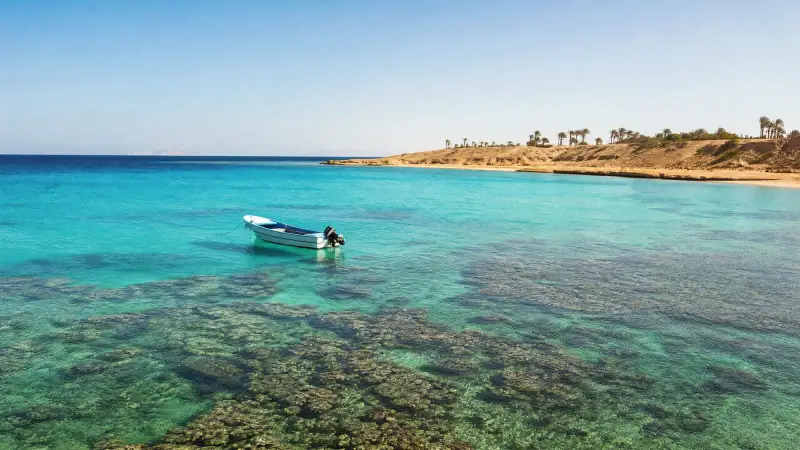
Ancient Egypt, Open Water
Pyramids and the Grand Egyptian Museum, a Nile cruise from Aswan to Luxor, then three days on the Red Sea at Hurghada.
See this journey →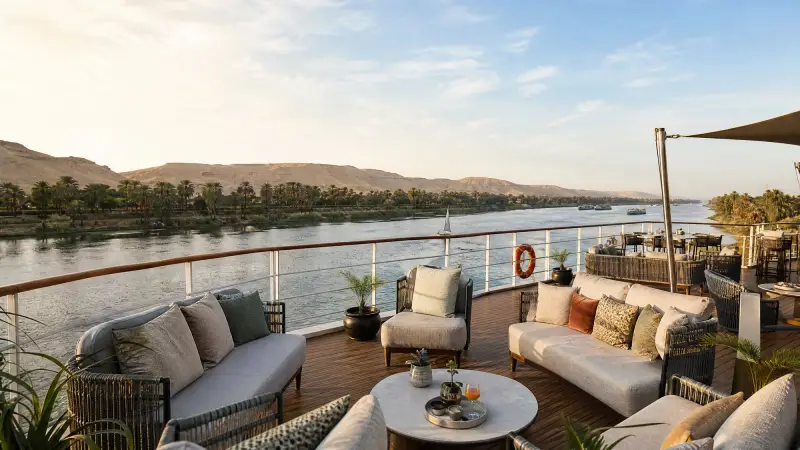
Nile Honeymoon, Red Sea Finish
Cairo, Aswan, a three-night Nile cruise and a dawn balloon flight over Luxor, then two nights in a quiet Red Sea hotel.
See this journey →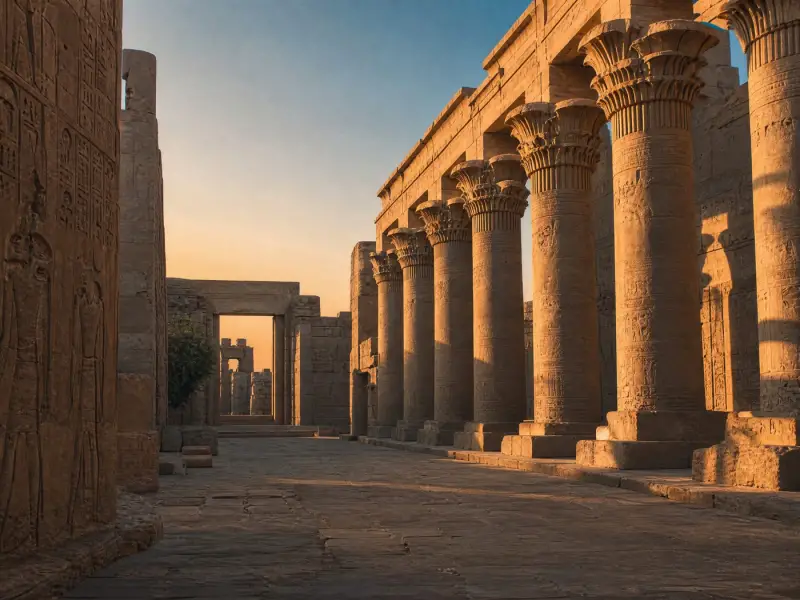
Egypt, In Depth
Three full days in Cairo, Aswan and Abu Simbel, a four-night Nile cruise to Luxor, then two days on the Red Sea.
See this journey →Change the order,
keep what matters.
Tell us your dates and who is travelling. We will send a day-by-day plan with hotels and a full price, then adjust it with you on WhatsApp until it fits.